Nonprofits & NGOs
Civil Society and American Exceptionalism
American civil society has a history of and reputation for political independence—and alongside it, accountability, transparency, and governance. But these unique qualities are at risk.
American civil society has a history of and reputation for political independence—and alongside it, accountability, transparency, and governance. But these unique qualities are at risk.
Civics has always been a deep-rooted part of American culture. It’s time to get it back into our classrooms.

Institutionalizing college savings through the application of savings strategies from financial behavior research can help make college accessible to all.

Emily Arnold-Fernandez, executive director of the nonprofit Asylum Access, makes the case that better policies in host countries can enable refugees to rebuild their own lives and contribute to host economies.
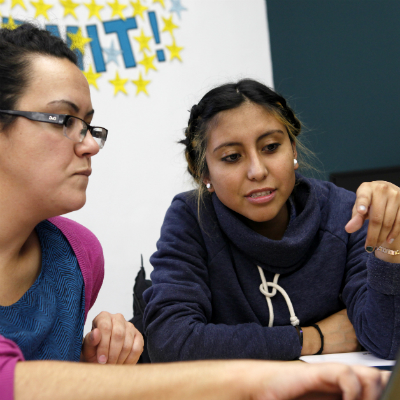
How can we transform the university research enterprise to enhance its social impact?

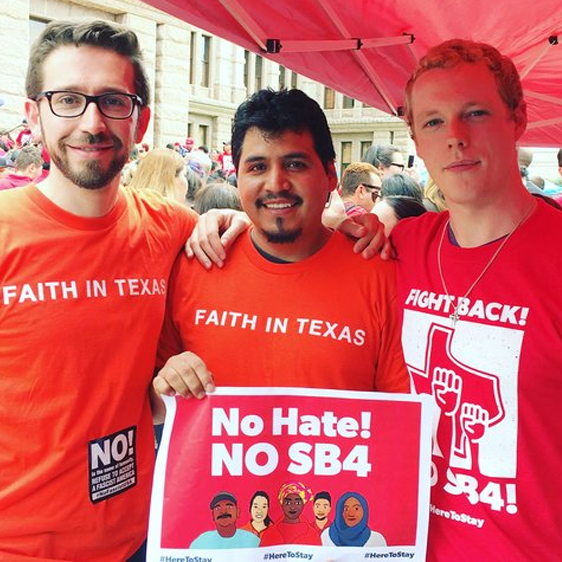
To build support for progressive immigration reform in the United States, advocates must turn away from “us versus them” framing, and toward language that emphasizes shared humanity, collective prosperity, and the country’s distinct identity as a “nation of immigrants.”
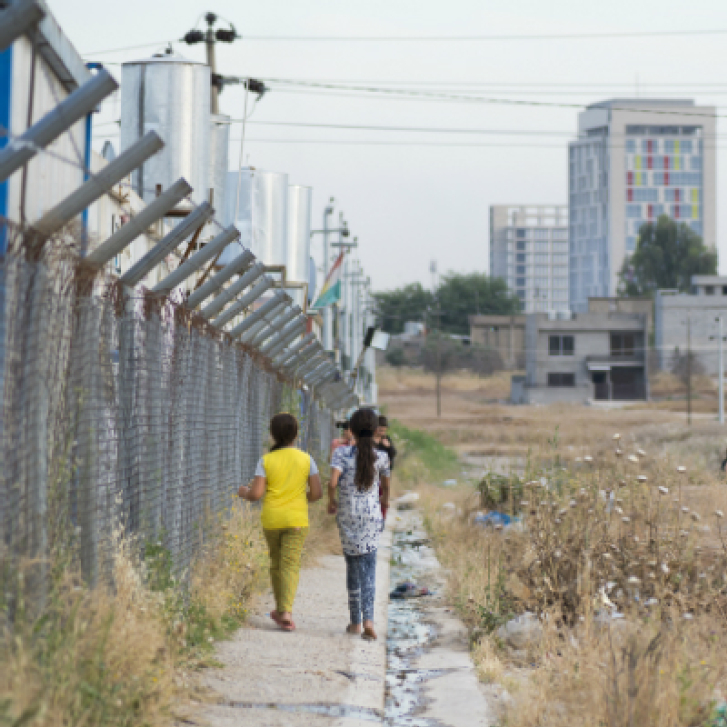
Stories are the most powerful tool we have for increasing understanding and building engagement with complex issues. Telling them well can drive belief and behavior change.
In the shift from #MeToo to Time’s Up, movement leaders are strategically framing sexual violence as a social and cultural problem, rather than an individual problem. Doing so helps people think about the broad range of actions we can take to systemically prevent sexual violence.

A dollar might stretch further overseas, but it can still go far to increase welfare and tackle injustice closer to home.
Models and policy recommendations for boosting civic engagement and fortifying American democracy.